I remember getting these from my aunt who sold Avon.
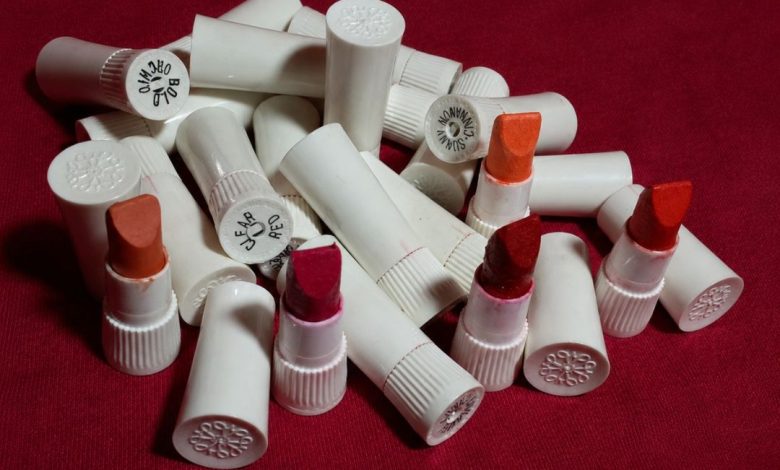
For many people who grew up around an Avon representative, these tiny lipsticks are instantly familiar. They are best known as Avon mini lipstick samples or Avon lipstick sampler tubes. The ones in the photo appear to be the small sample-size lipsticks Avon representatives handed out so customers could try a shade before buying a full-size tube.
Avon’s story goes back to 1886, when David H. McConnell started the California Perfume Company, which later became Avon. According to Avon’s own company history, McConnell first noticed that women were more interested in his perfume samples than the books he was selling door to door, so beauty products became the heart of the business.
These tiny lipstick tubes are especially associated with the Avon Lady era of the 1960s, 1970s, and 1980s, when Avon representatives visited homes, showed catalogs, and gave customers samples. Exact dates vary by style, but vintage listings still commonly identify these small Avon lipstick samples as late-20th-century collectibles, including examples from the 1980s and 1990s.
Their main purpose was simple: they let customers test a lipstick color, see how it looked with their skin tone, and decide whether to order the full-size version. For Avon representatives, the samples were a smart sales tool. They were small, inexpensive, easy to carry, and made the shopping experience feel personal.
Many American families remember them not just as cosmetics, but as little treasures from childhood. A mother, aunt, grandmother, or neighbor who sold Avon might have kept bags or boxes of these samples. Kids often loved them because they looked like “real grown-up lipstick,” only tiny.
Today, these Avon mini lipsticks are mostly valued as nostalgic collectibles. They remind people of a time when shopping often happened at the kitchen table, with an Avon catalog, a friendly representative, and a handful of tiny lipstick tubes spread out for everyone to try.
One important note: old vintage makeup should not be used on the lips today. Even if it looks unused, decades-old cosmetics can dry out, change chemically, or collect bacteria. They are best kept as display pieces, memory items, or collectibles, not as usable makeup.