I’m positive you will not know what this is. If you really know this then you must be old.
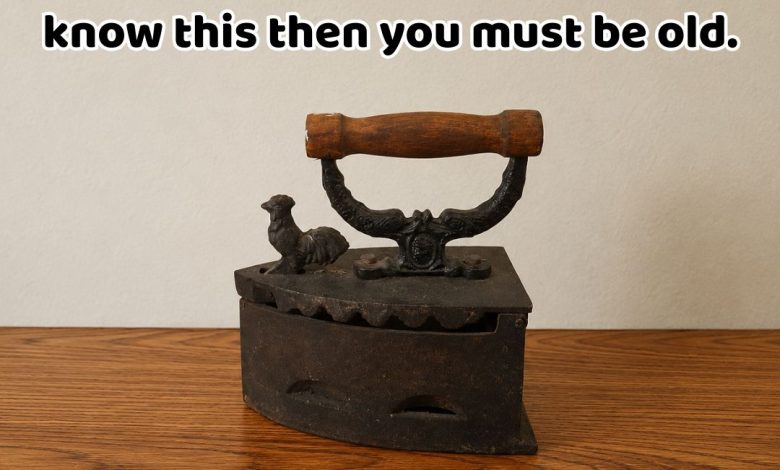
Long before electric irons became common, many households relied on a heavy but ingenious tool known as a charcoal box iron. It was designed to smooth clothing, sheets, table linens, and other fabrics without electricity.
When Was It Used?
Charcoal irons became widely used during the 19th century and early 20th century. They appeared in homes and commercial laundries across Europe, the United States, Asia, Africa, and other parts of the world.
Unlike a solid-metal “sad iron,” which had to be reheated repeatedly on a stove, the charcoal box iron produced heat inside its own body.
How Did It Work?
The iron had a hollow cast-iron compartment that could be filled with hot charcoal or glowing embers. Heat from the charcoal warmed the flat metal soleplate underneath, allowing the user to press wrinkles out of fabric.
A hinged lid made it possible to:
- Add fresh charcoal
- Remove ash
- Control and maintain the heat
Small ventilation openings in the iron helped air circulate and kept the charcoal burning. Some models also included decorative latches or ornaments, including rooster-shaped designs.
Why Did It Have a Wooden Handle?
The handle was commonly made from wood, such as beech or oak. Wood does not transfer heat as quickly as metal, so it helped protect the user’s hands from the extremely hot iron body.
This allowed laundry workers and homemakers to iron large quantities of clothing and linens more safely.
What Was Its Main Purpose?
The charcoal box iron was mainly used to:
- Remove wrinkles from clothing
- Press sheets and household linens
- Create crisp collars, cuffs, and seams
- Iron fabric in places without electricity
An Important Step Toward the Modern Iron
Although charcoal irons could produce smoke, ash, and uneven temperatures, they were more portable and efficient than irons that required constant stove reheating.
Today, these antique irons are valued as historic household tools and collectible decorative objects. They represent an important stage in the development of the modern electric iron.