News
-
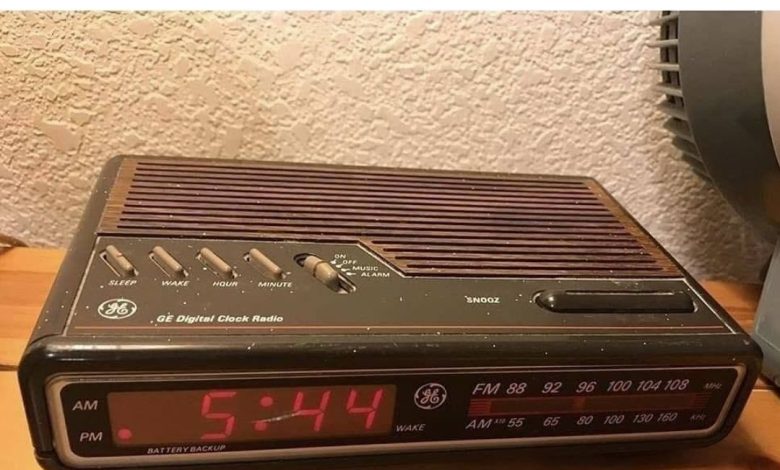
Whose parents had an alarm clock like this?
For many Americans who grew up in the 1970s, 1980s, or early 1990s, a clock like this was a familiar sight on a parent’s nightstand. The item in the photo appears to be a GE Digital Clock Radio, a popular type of bedside alarm clock that combined a digital clock, an AM/FM radio, and an alarm system in one compact…
Read More » -
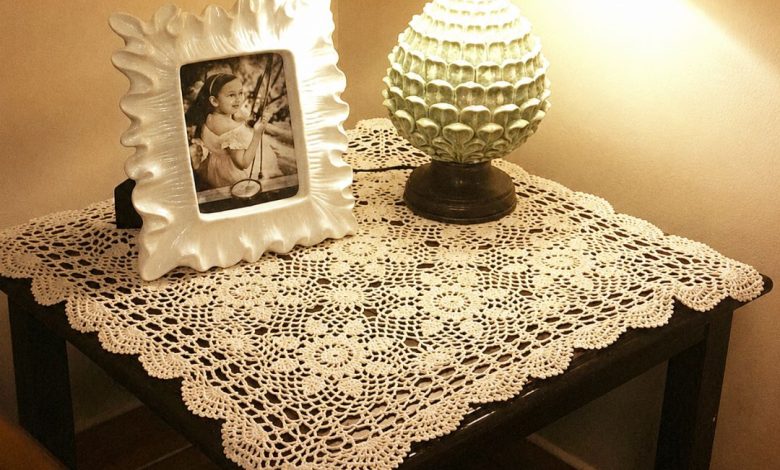
Do you remember any family member having doilies?
For many Americans, the sight of a white lace mat on a side table brings back memories of a grandmother’s living room, a lamp glowing in the corner, and framed family photos carefully arranged on polished wood. The item in the photo is called a doily — plural: doilies. A doily is a small decorative mat, usually made of cloth,…
Read More » -
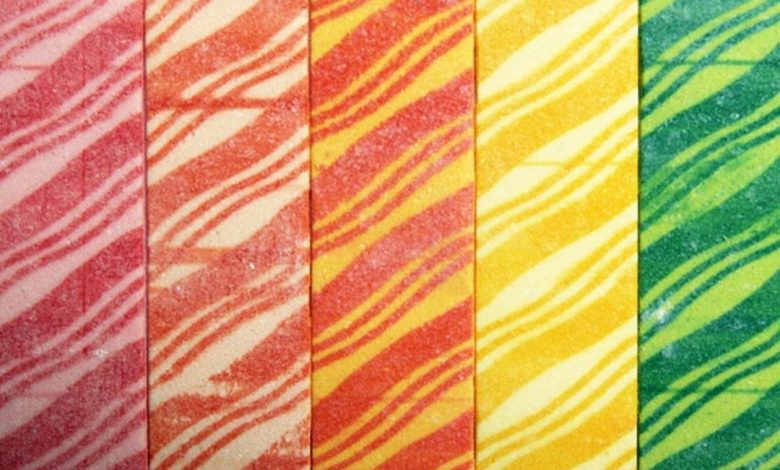
You’re Awesome If You Know What These Are.
The bright striped pieces in the image are most likely Fruit Stripe Gum, one of the most recognizable novelty chewing gums in American candy history. For many people in the United States, these rainbow-colored sticks bring back memories of childhood, corner stores, lunchboxes, and quick trips down the candy aisle. What Was It Called? The product was called Fruit Stripe…
Read More » -
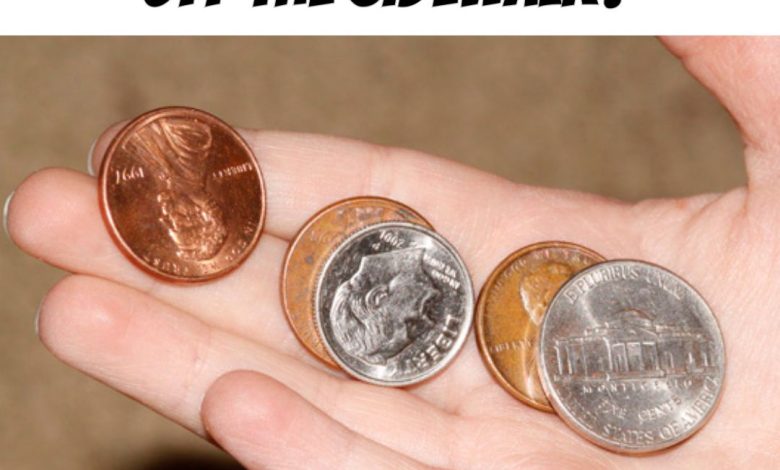
Do You Pick Up Change Off The Sidewalk?
Many Americans have had the same tiny decision: you see a penny, nickel, dime, or quarter lying on the sidewalk. Do you bend down and pick it up, or keep walking? The image shows loose U.S. pocket change, a familiar part of everyday American life for generations. These small coins may not seem important today, but they have a long…
Read More » -

Do you remember?
For many Americans who grew up in the mid-20th century, a trip to the grocery store did not always end at the checkout counter. After the groceries were rung up and bagged, a store clerk often pushed the cart outside and carried the bags directly to the customer’s car. It was a small service, but for many families, it represented…
Read More » -
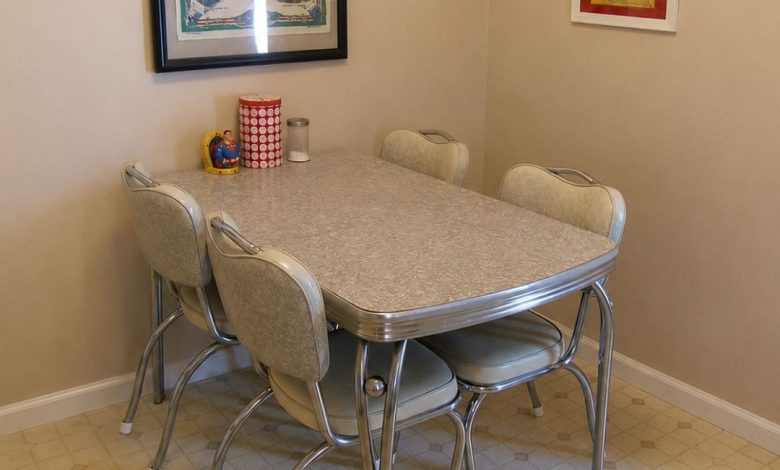
Most 60s and 70s homes had something similar I’m guessing.
Many Americans who grew up in the mid-20th century will recognize the table and chairs in this photo immediately. This type of furniture is commonly known as a vintage chrome dinette set, often featuring a laminate or Formica-style tabletop, chrome metal legs, and vinyl-covered chairs. While people often associate this style with the 1960s and 1970s, its roots go back…
Read More » -
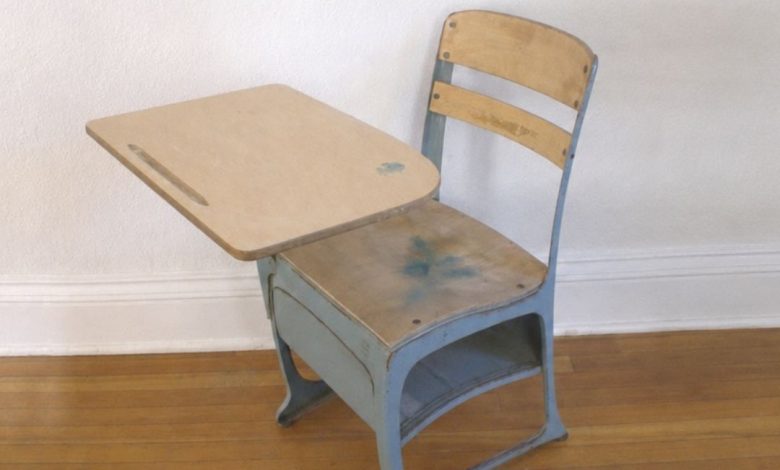
Have You Ever Seen One Of These?
The object in the photo is a vintage school desk with an attached chair, often called a schoolhouse desk, student desk-chair combo, or chair desk. For many Americans, this simple wooden-and-metal seat brings back memories of old classrooms, chalkboards, spelling tests, and carefully sharpened pencils. This type of desk was commonly used in American schools during the early to mid-20th…
Read More » -
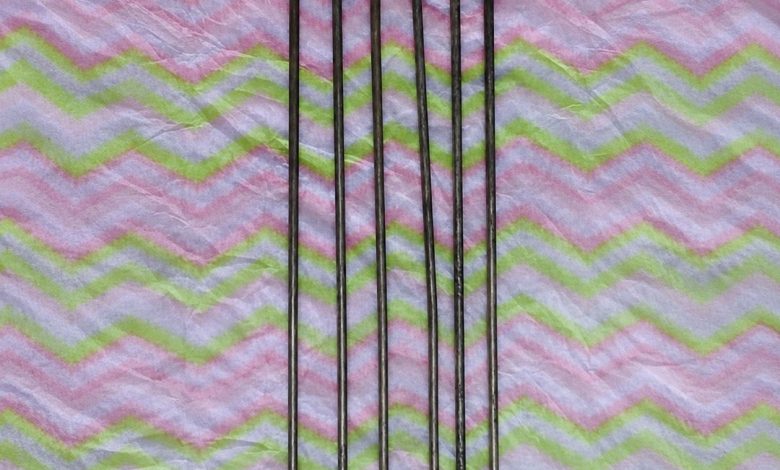
Does anyone know what in the heck this thing is. I found it in my cabinet with auction tag still on it.
These pieces are best described as Mexican .825 silver demitasse, mocha, coffee, tea, or iced-tea spoons/stirrers. Their long, thin handles and small round decorated ends suggest they were made for light serving and stirring, not for regular dinner-table use. The round ends feature a Mexican pre-Columbian-style design, often described by sellers as an Aztec calendar–inspired motif. A comparable listing identifies…
Read More » -
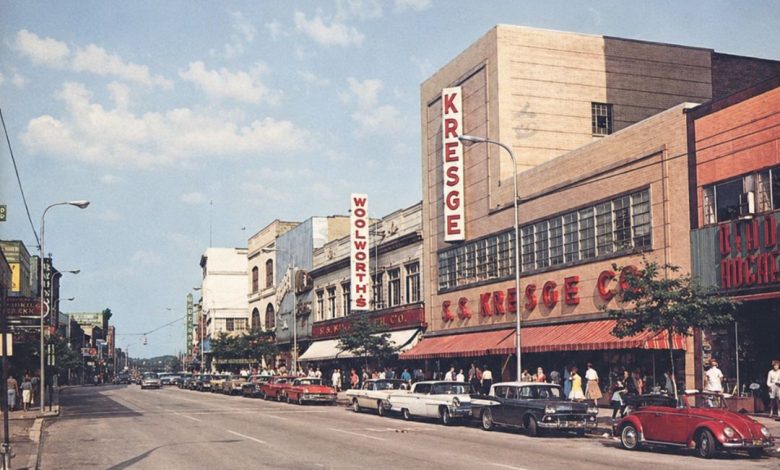
The Rise and Fall of America’s Beloved Five-and-Dime Stores
For generations of Americans, the five-and-dime store was more than just a place to shop. It was a familiar stop on Main Street, a place where families could browse, children could spend a few coins, and shoppers could find almost anything they needed at a fair price. The story began with Frank Woolworth, who opened his first store in 1878.…
Read More » -
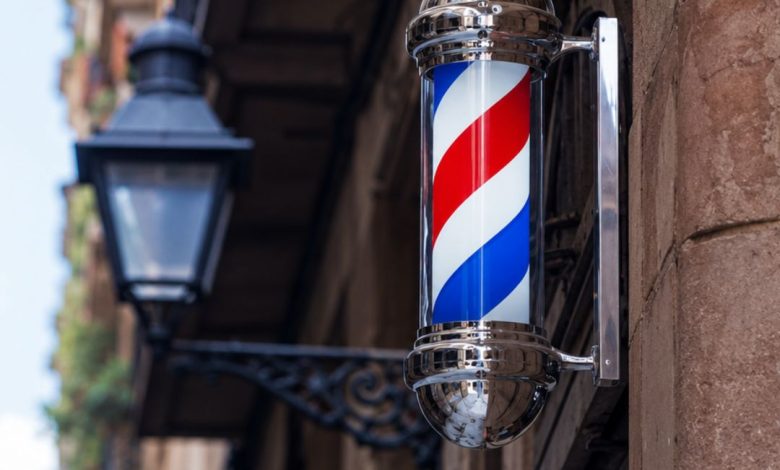
What’s this red and blue spinning thing outside barber shops? What does it doo?
Most Americans have seen it before: a red, white, and blue striped cylinder spinning outside a barbershop. This familiar object is called a barber’s pole, and for generations it has been one of the easiest ways to recognize a place where people can get a haircut, shave, or beard trim. Name: Barber’s poleMain purpose today: A visual sign that marks…
Read More »